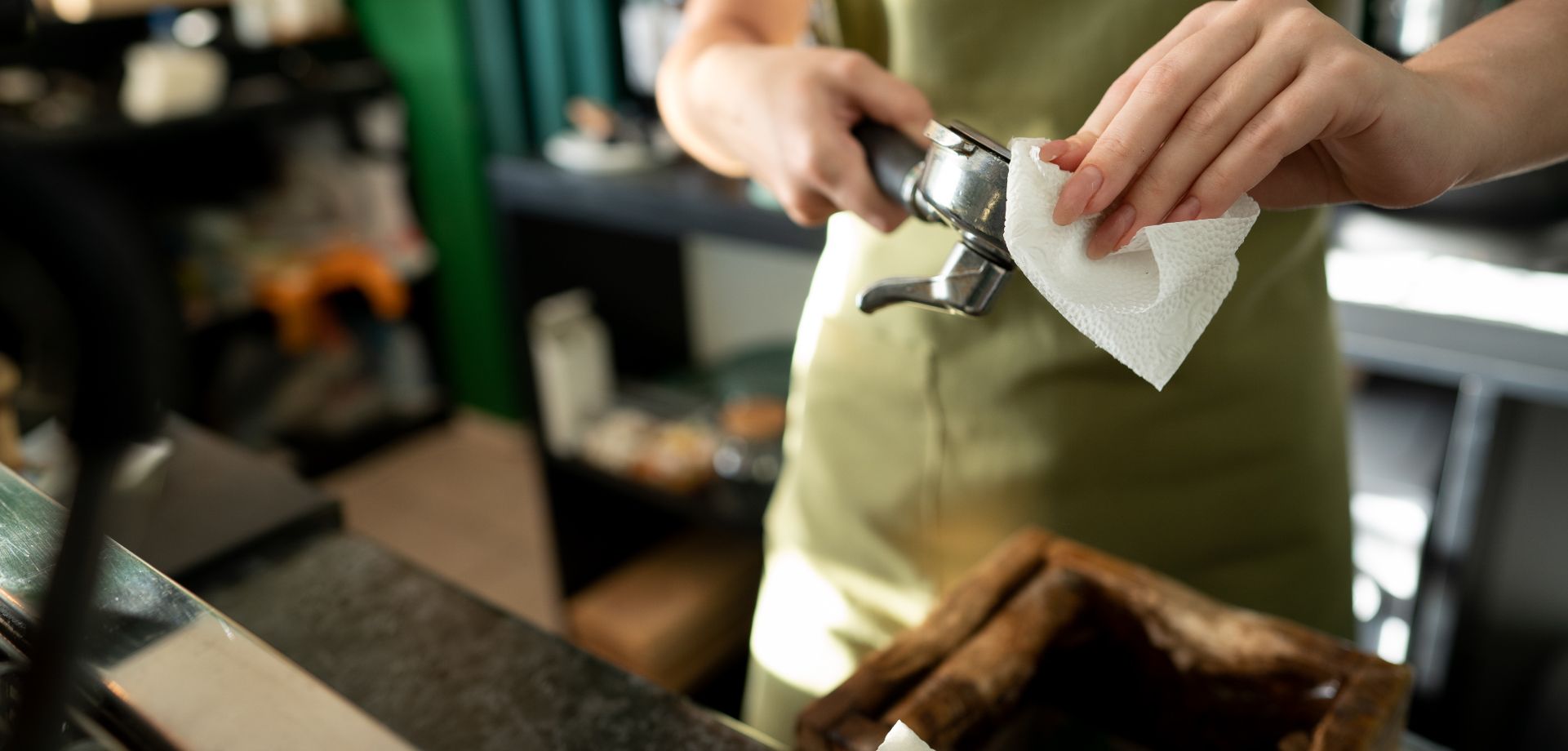
Each cup of coffee generates a residue that usually goes unnoticed: the grounds left after preparation. In homes, cafes, hotels, restaurants and offices, this material is typically mixed with other waste, making it harder to reuse later.
However, recycled coffee grounds can stop being considered waste and become a raw material with new possibilities. Their correct separation, collection and treatment allows them to be incorporated into different transformation processes related to agriculture, material manufacturing or energy production.
This approach responds to the principles of the circular economy, a model that seeks to keep resources in use for longer, reduce waste generation and recover the value of materials that were traditionally discarded.
What are coffee grounds and why can they be reused?
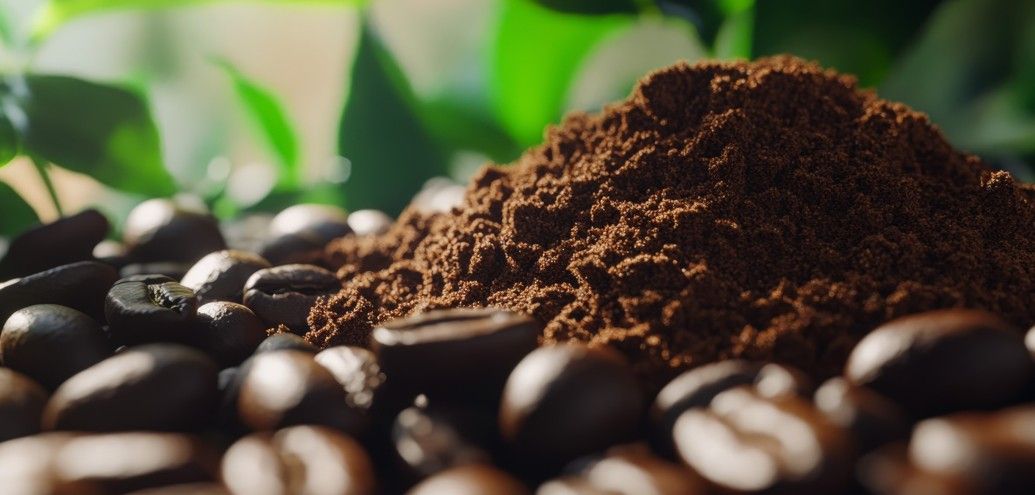
Coffee grounds are the solid material left after preparing the drink using hot water or steam. Although part of the coffee's components are extracted during preparation, the residue retains organic matter and different compounds that can be used through appropriate processes.
Their composition allows for research and development of applications related to fertilisers, biofuels, bio-based materials, functional ingredients and absorbent products. Scientific research on their valorisation continues to grow, and European initiatives already exist that explore their incorporation into new value chains.
The key is to prevent grounds from being mixed with other waste. When they are correctly separated at the point of generation, it becomes easier to maintain their quality, collect them in an organised manner and direct them to transformation processes.
Uses of recycled coffee grounds
Fertilisers and soil products
One of the best-known uses of recycled coffee grounds is their incorporation into fertilisers, compost, organic amendments and other soil care products.
Through treatment and formulation processes, this residue can be combined with other materials to obtain products that contribute organic matter and promote the use of locally sourced resources.
However, applying coffee grounds directly onto plants is not always appropriate. Their composition, moisture content and the presence of certain compounds can affect plant growth when applied without control. For this reason, their agricultural use must be carried out through properly studied treatments, proportions and formulations.
Projects such as FERTCAFE by Defender investigate precisely the development of sustainable fertilisers incorporating treated coffee grounds, with the aim of improving their use and reducing dependence on conventional raw materials.
Biomaterials and new products
Coffee grounds can also be used as a raw material to develop biomaterials and composite materials.
The cellulose, lignin, oils and other components present in this residue can be recovered or combined with different materials to manufacture products with new functionalities.
Applications under investigation include:
- Biopolymers and composite materials.
- Packaging components and containers.
- Decorative elements and everyday objects.
- Construction materials.
- Parts and surfaces made from recovered raw materials.
These solutions allow for the partial replacement of certain virgin resources and demonstrate that a residue generated daily can be incorporated into design and manufacturing processes.
Energy production and biofuels
Another possibility is transforming coffee grounds into an energy source.
Their oil and organic matter content allows for research into their use to produce biodiesel, biogas, bioethanol, pellets, biochar and other energy products. Some of these applications have already been tested in pilot projects, while others continue in the research or industrial scaling phase.
For example, the European project LIFE ECOFFEED has used grounds that were not suitable for their primary application in the manufacture of pellets intended to generate energy during the treatment process itself.
This type of use allows part of the residue's energy value to be recovered and reduces the use of fossil resources in certain processes.
Ingredients and valuable compounds
Coffee grounds still contain oils, antioxidants, fibre and other compounds that can be recovered to develop products for different sectors.
Research is exploring their use in areas such as:
- Food and functional ingredients.
- Cosmetics and personal care.
- Pharmaceutical products.
- Extraction of oils and bioactive compounds.
- Animal feed.
These applications require safety controls, specific extraction processes and compliance with the relevant regulations. Therefore, not all collected grounds can be used directly in food, cosmetics or animal nutrition. These are valorisation lines that must be developed under controlled technical and sanitary conditions.
Absorbent and filtering materials
The structure of coffee grounds also allows for research into their use as an absorbent material.
After undergoing various treatments, they can be used to capture certain compounds present in liquids or to develop filters and materials intended for decontamination processes.
These applications show that coffee residues can be useful even in environmental and industrial contexts far removed from their original activity.
Benefits of recycling coffee grounds
Reduction of organic waste
Separating grounds prevents them from ending up mixed with non-recoverable waste fractions. This facilitates their treatment and reduces the amount of organic matter following a linear model based on produce, consume and discard.
Resource recovery
Grounds still contain components that can have further use. Recycling them allows part of that value to be recovered and converted into new products, materials or energy sources.
Lower dependence on virgin raw materials
When a recovered material partially replaces a conventional raw material, the need to extract new resources is reduced. The benefit will always depend on the process used, the transport distance and the final application.
Boosting local value chains
The collection of grounds from cafes, restaurants, hotels and offices can connect generating establishments with management companies, research centres, agricultural producers and processing industries.
In this way, a residue generated locally can become a resource used within the same territory.
Greater business involvement
Participating in a separate collection system allows establishments to incorporate concrete circular economy actions into their daily activity.
Furthermore, when the process has traceability tools, businesses can find out what happens to their waste, measure the impact generated and communicate their progress with greater transparency.
From the cup to a new resource
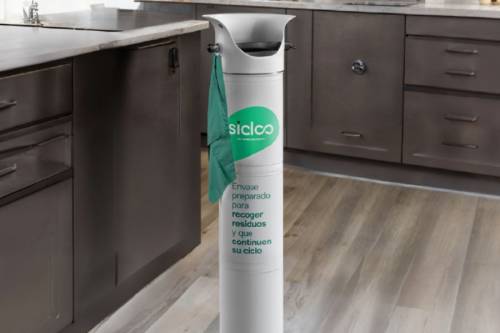
Recycling coffee grounds is not just about finding a domestic use for them. To make the most of them at a meaningful scale, it is necessary to create an organised system of separation, storage, collection, treatment and transformation.
At Sicloo we work to connect those steps and ensure that organic waste generated in the HORECA sector can begin a new journey.
We collect coffee grounds separately and collaborate in the development of solutions that allow them to be transformed into new resources. In this way, we help cafes, restaurants and other businesses participate in a circular model through a simple action, integrated into their daily activity and with results that can be measured.
Because behind every finished coffee a new story can begin: that of a residue that ceases to be one and becomes value.
Does your establishment generate coffee grounds? Contact Sicloo and find out how you can join our collection and circular economy network.